Candid vs. Traditional Wedding Photography — What's Right for You?
Both have merit. Both have their place. The question is — what do you want to feel when you open your album twenty years from now?
Of all the questions we receive from couples planning their weddings, this is the most common: "Should we go for candid photography or traditional?" The honest answer is that this is the wrong question. The better question is: "What do I want to feel when I look at these images in twenty years?" That question will lead you to the right answer almost every time.
Having spent over a decade photographing weddings across India and internationally, we've come to understand that "candid" and "traditional" are not opposites — they are points on a spectrum, and the best wedding photography exists somewhere in the middle of that spectrum, pulling from both traditions with intention.
What Traditional Wedding Photography Actually Is
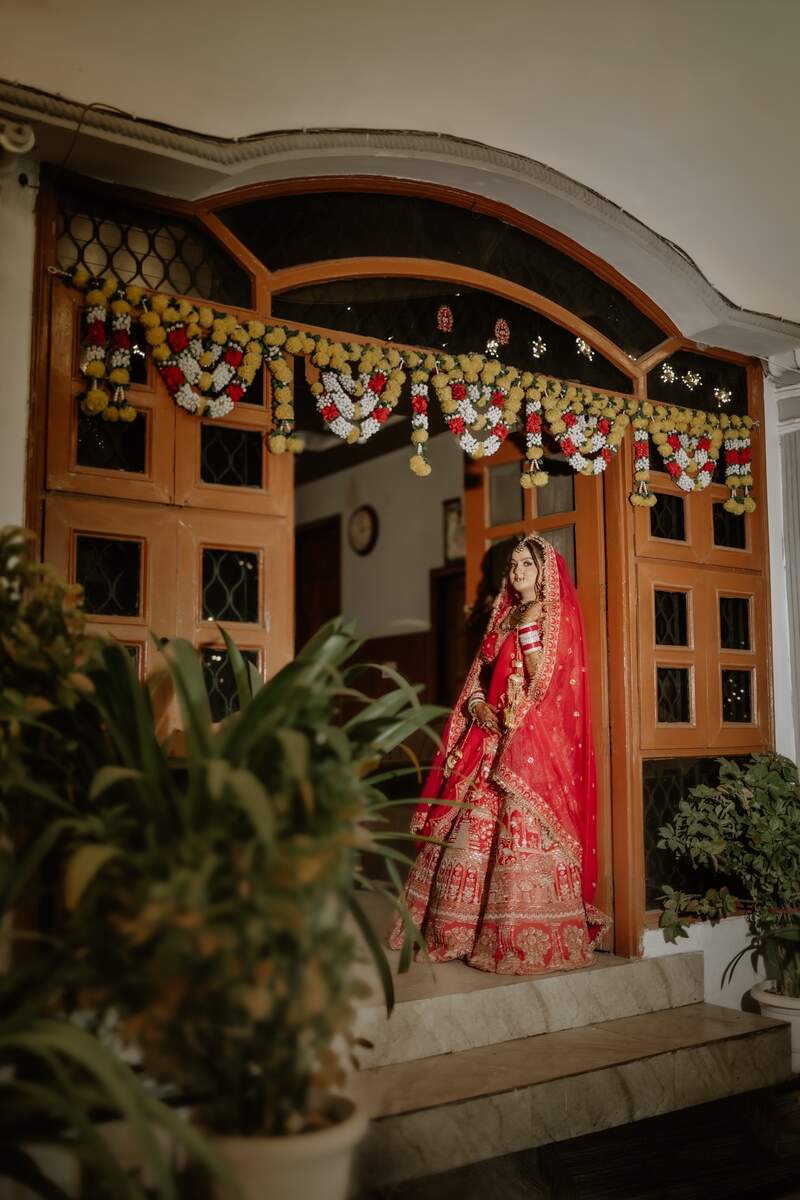
Traditional wedding photography — sometimes called classical or posed photography — has its roots in portrait studio photography of the early twentieth century. The goal is to create a definitive visual record of the wedding: key family groupings, formal portraits of the couple, staged moments at important junctures of the ceremony. These images are directed, controlled, and consistent.
The strengths of traditional photography are real and should not be dismissed. Every important family member is captured. The key moments — the exchange of garlands, the sindoor ceremony, the first look — are photographed from the optimal angle with optimal exposure. Nothing is missed through the chaos of documentary shooting. Parents of the bride and groom, in our experience, almost universally prefer a certain number of traditional, clearly composed photographs.
The limitation is equally clear: traditional wedding photography, when done exclusively, produces images that look like what they are — staged. The subjects are often stiff. The backgrounds are controlled rather than contextual. And most critically, the images show what happened at the wedding without conveying what it felt like to be there.
What Candid Wedding Photography Actually Is
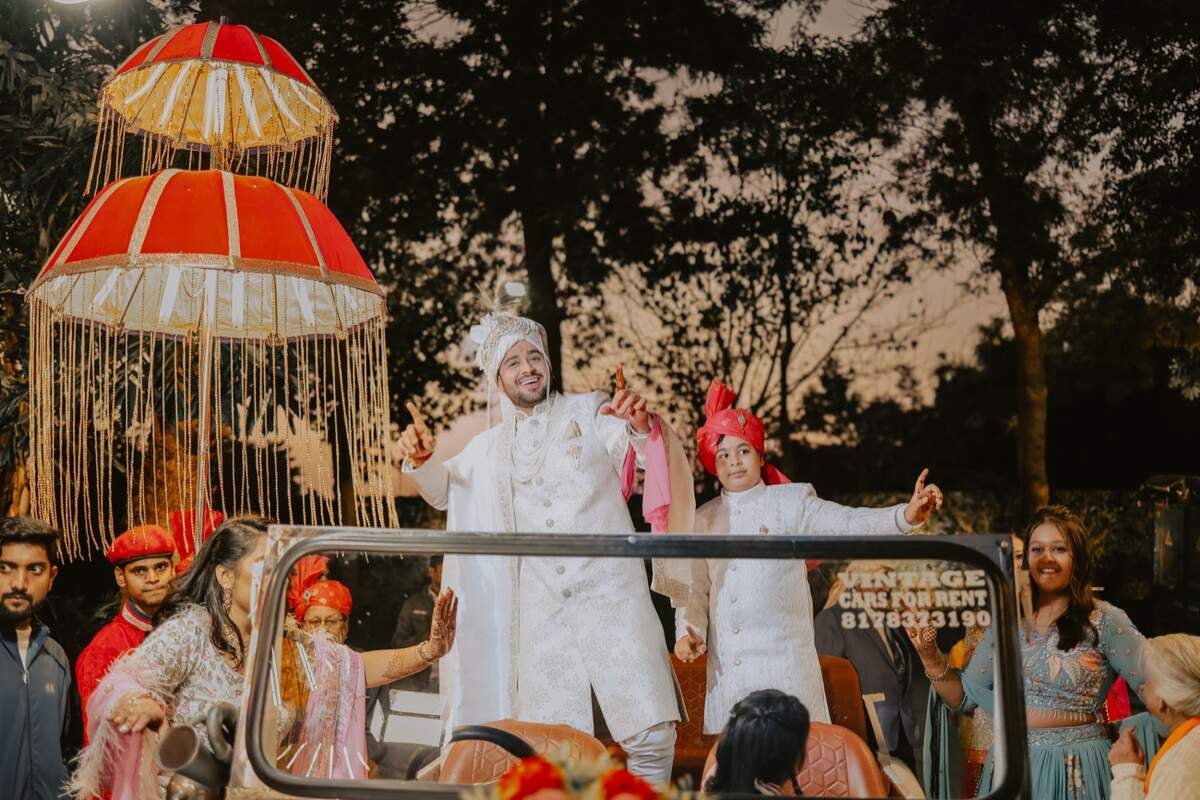
Candid photography — also called documentary, photojournalistic, or reportage photography — prioritises capturing real moments as they happen without directing or staging them. The photographer is present but unobtrusive, anticipating moments rather than creating them. A father wiping a tear during the varmala. Two cousins whispering during the pheras. The bride laughing with her mother over something no one else heard. These are the images that make people gasp when they see their wedding gallery.
The strengths of candid photography are profound: the images feel alive. They capture the atmosphere, the emotion, and the specific character of your wedding in a way that no posed photograph ever can. Twenty years from now, these are the images that will make you feel transported back to that day — not just visually but emotionally.
The limitations are real too. In pure documentary shooting, important family groupings can be missed. Technically perfect execution of key moments is less guaranteed. And without some direction, couples who are camera-shy can produce images that look anxious rather than relaxed.
The WedPro Approach: Why the Distinction Is a False Choice
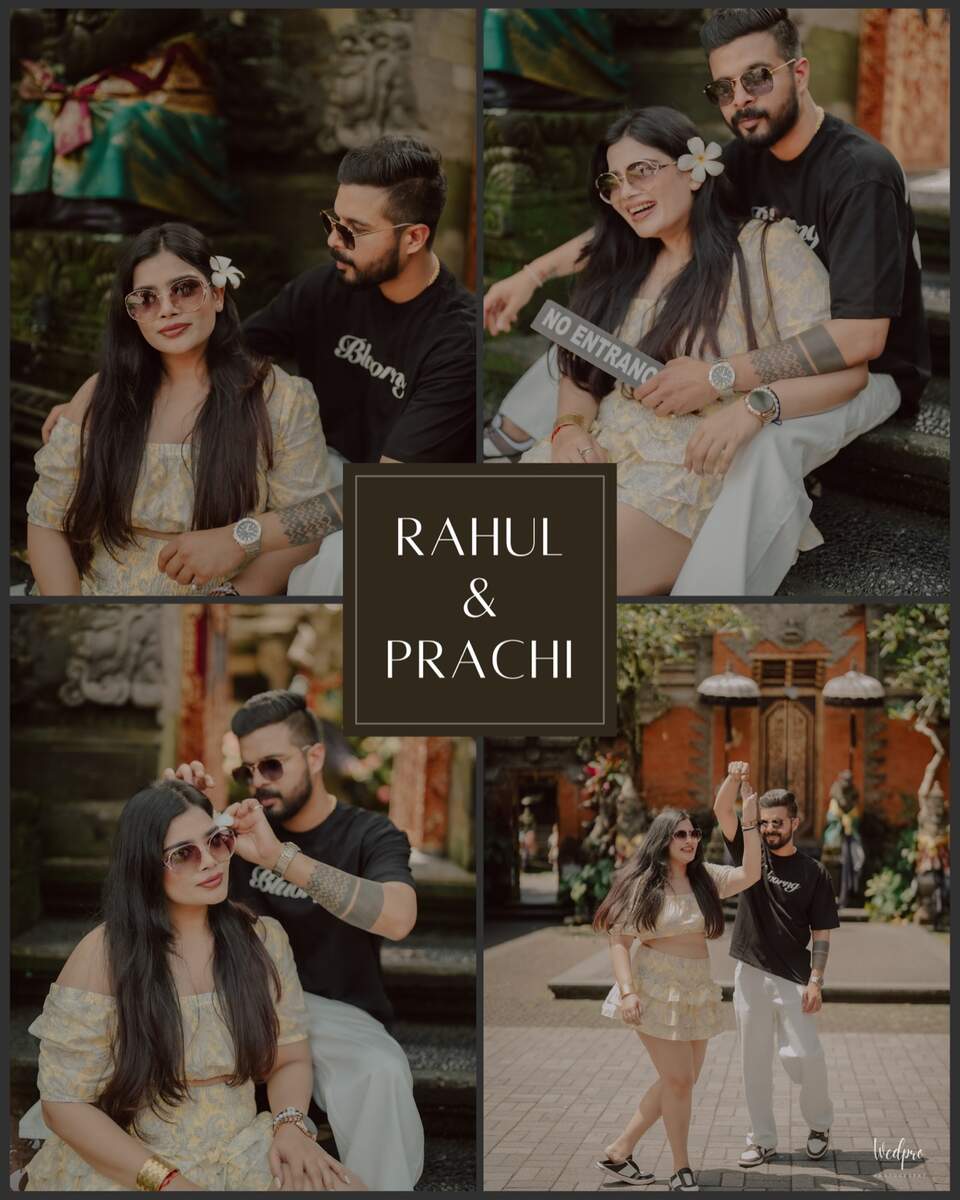
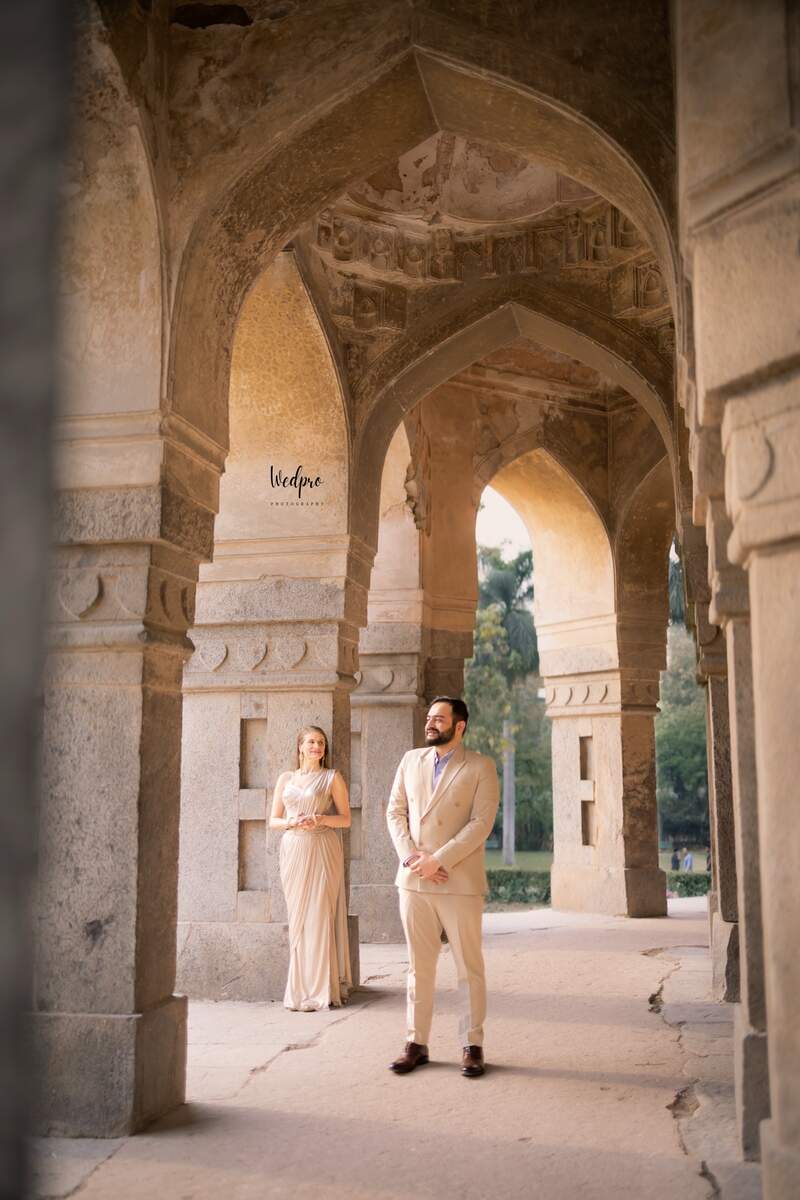
At WedPro Photography, we describe our approach as documentary portraiture. We shoot documentary 85% of the time — following the day as it unfolds, capturing the real and unscripted. But at critical junctures — the family formals, the couple portraits during golden hour, the first look — we direct with a light but confident touch. We know where to place the couple so the light falls perfectly. We know which family groupings matter most. But we never over-direct. We never create a moment that wasn't already happening.
The result is a gallery that is both emotionally rich and technically comprehensive. You will have the images your parents ask for and the images that make you cry when you see them for the first time. Both are important. Both belong in your wedding album.
How to Decide What You Need
Ask yourself these questions honestly:
- When I imagine my wedding album, do I see formal portraits or storytelling images — or both?
- How large is my family, and how important is it that every member is photographed clearly?
- Am I camera-shy? Does being photographed make me tense?
- Do I care about technical perfection in every image, or is emotional authenticity more important?
- What does my partner feel about being on camera?
If your answers tend toward family, formality, and comprehensiveness — lean toward a photographer with strong traditional skills alongside their candid work. If your answers tend toward emotion, storytelling, and authenticity — prioritise documentary expertise. Most couples will find they want both, in different proportions.
Questions to Ask a Photographer About Their Approach
- What percentage of your work is documentary vs. directed?
- How do you handle family formal photography at large Indian weddings?
- Can I see a full gallery from a wedding with similar family size to mine?
- How do you work with camera-shy subjects?
- What is your approach during the pheras — do you move around or stay in one position?
The answers to these questions will tell you far more about a photographer than their website or Instagram ever will.
The Family Formal Question
One area where the candid vs. traditional debate becomes most practically relevant is in family group photography. The grandparents, the siblings, the extended family combinations — these images are genuinely important to parents and grandparents in a way that can sometimes be underweighted by couples who are focused on the documentary experience. These are not photographs the couple will look at most often, but they are photographs that matter deeply to the generation above them. A pure documentary approach risks missing them. A heavily traditional approach produces stiff, posed rows that look dated within five years. The right approach is a brief, efficient family formal session — twenty to thirty minutes maximum — where specific groups are photographed with relaxed but clear direction. This delivers what the families need without allowing the formal session to dominate the day.
The key to a successful family formal session is preparation. We ask every couple for a written shot list of family group combinations at least two weeks before the wedding. We assign a family coordinator — ideally a sibling or close family friend who knows everyone — to gather the relevant groups quickly. We move through the list efficiently, spending no more than ninety seconds on each group. Done correctly, a twenty-five-group shot list can be completed in thirty minutes, leaving the rest of the day for documentary coverage. Done poorly — without a list, without a coordinator, without efficient management — family formals can consume two hours and leave everyone irritable.
How Your Choice of Photographer Style Affects the Album
The style of photography you choose also affects what your album will contain. A purely documentary album tells a story. It flows like a film, building from morning preparation through ceremony to the emotional crescendo of the vidaai. The images connect to each other through narrative logic. A traditional album documents. It is a comprehensive record: all the family groupings, all the key moments in the correct order, all the important people identified and included. An album that blends both styles — which is the approach we advocate and practice — contains the narrative flow of documentary and the comprehensive record of traditional coverage. These are not mutually exclusive; they require a photographer skilled enough to deliver both simultaneously.
A Final Thought
The best wedding photographs in the world are neither purely candid nor purely traditional. They are made by photographers who understand light, who understand people, and who have the experience to know when to direct and when to disappear. That combination of skills — directorial and documentary — is what we have spent twelve years developing at WedPro Photography, and it is why our couples consistently describe their galleries as the most beautiful thing they own. Read our complete wedding photography service guide to understand our specific approach, view our portfolio to see how it looks in practice, and contact us to discuss how it would apply to your specific wedding.
WedPro Photography
Delhi's leading wedding photographers — crafting visual legacies since 2012.