How to Prepare for Your Wedding Photography Day — A Couple's Complete Guide
The best wedding photographs happen when couples feel completely at ease. Here's everything we tell every couple before their big day — from skin prep to timeline planning to the one thing everyone forgets.
The most technically accomplished photograph in the world cannot compensate for a subject who is uncomfortable, stiff, or self-conscious. The single greatest determining factor in the quality of wedding photography — beyond equipment, beyond location, beyond even the skill of the photographer — is how relaxed and present the couple feels in front of the camera. This guide is our attempt to help you feel exactly that.
After twelve years of photographing weddings in Delhi and across India, we've identified the specific preparations that consistently produce the best results — and the common mistakes that make even the most beautiful weddings look stiff in photographs. Read this carefully. Share it with your partner. Act on it.
Three Months Before: The Foundation
Book a Pre-Wedding Session
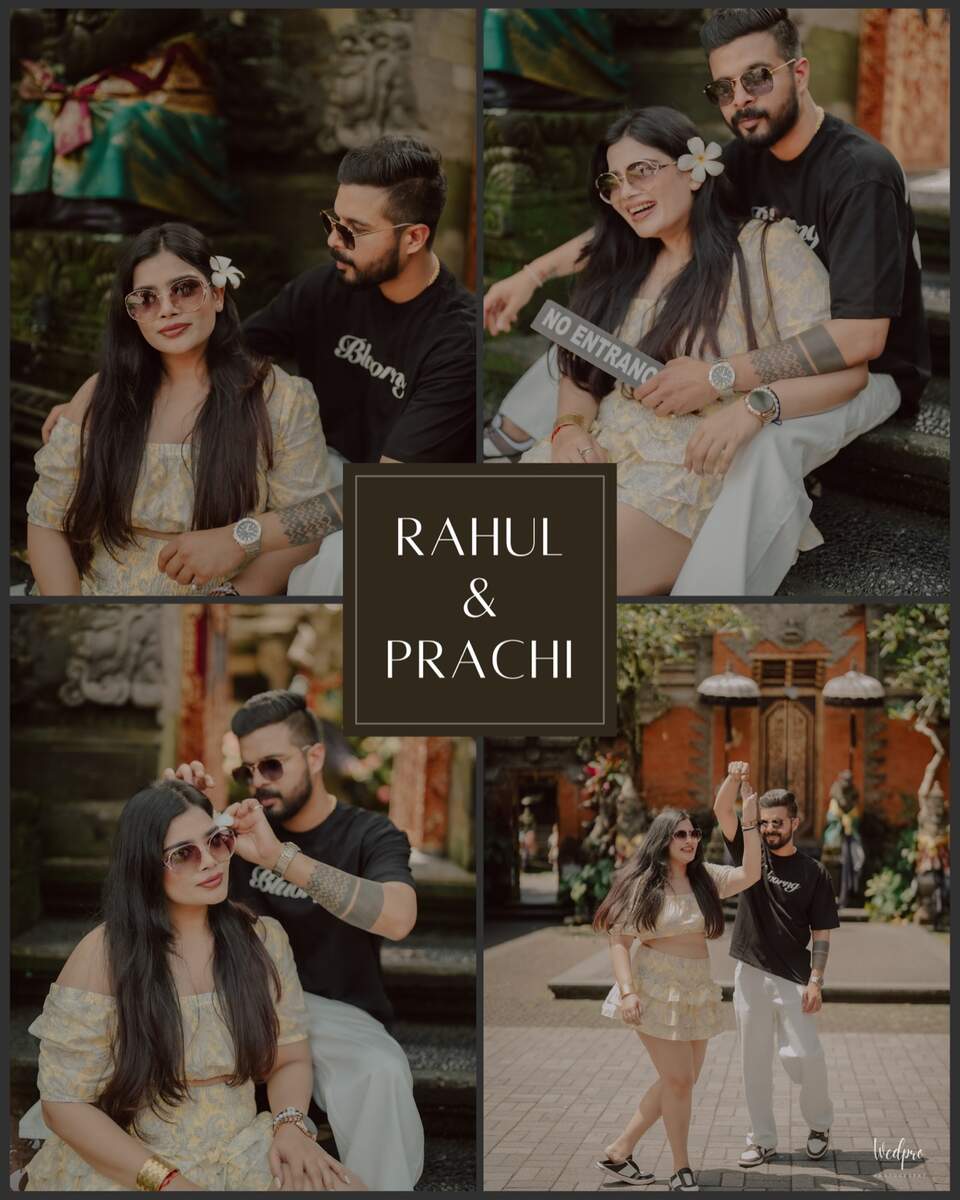
If your photographer offers a pre-wedding or engagement session, book it. This is not merely about getting additional photographs — it is about learning to be photographed. Most people have no practice being the subject of professional photography. The pre-wedding session is where you discover what poses feel natural, how your face looks when you think rather than pose, how you and your partner move together when a camera is present. On your wedding day, this familiarity makes an enormous difference.
Begin Skincare Consistently
Professional photography reveals skin texture in high fidelity. This is neither good nor bad — it is simply reality. Beginning a consistent skincare routine three months before the wedding (rather than a panicked week before) gives your skin time to respond, stabilise, and develop that luminosity that photographs so beautifully. Hydration is the foundation: the single most impactful thing you can do for photogenic skin is drink adequate water consistently for three months.
One Month Before: Practical Preparations
Test Your Outfits Under Photography Conditions
Outfits that look stunning in the changing room can behave differently under photography lighting. Certain sequin patterns create unphotographable light scatter. Some fabric colours shift under artificial light. White garments can lose all detail in the highlights of a flash photograph. If possible, have a friend photograph you in your wedding outfit under conditions similar to your venue — this will reveal any issues while there is still time to address them.
Communicate Your Shot Preferences Clearly
Create a short list (maximum fifteen items) of the photographs that are most important to you. Not a comprehensive list of every possible image — a short list of the non-negotiables. The specific family groupings that must be captured. The one moment with your grandmother that you cannot miss. The view from the rooftop terrace that you want as a wide shot. Share this with your photographer at least two weeks before the wedding so it can be integrated into the day's plan.
One Week Before: The Critical Window
Do Not Make Dramatic Changes to Your Appearance
This sounds obvious and yet we see it regularly: dramatic haircuts, new experimental facial hair, drastic skincare treatments, eyebrow reshaping — all done in the week before the wedding. Your face is a canvas that your photographer has already understood from your pre-wedding session. Dramatic changes introduce visual elements that neither you nor your photographer have practice working with. Keep the week before the wedding a period of maintenance, not transformation.
Prepare for the Morning Practically
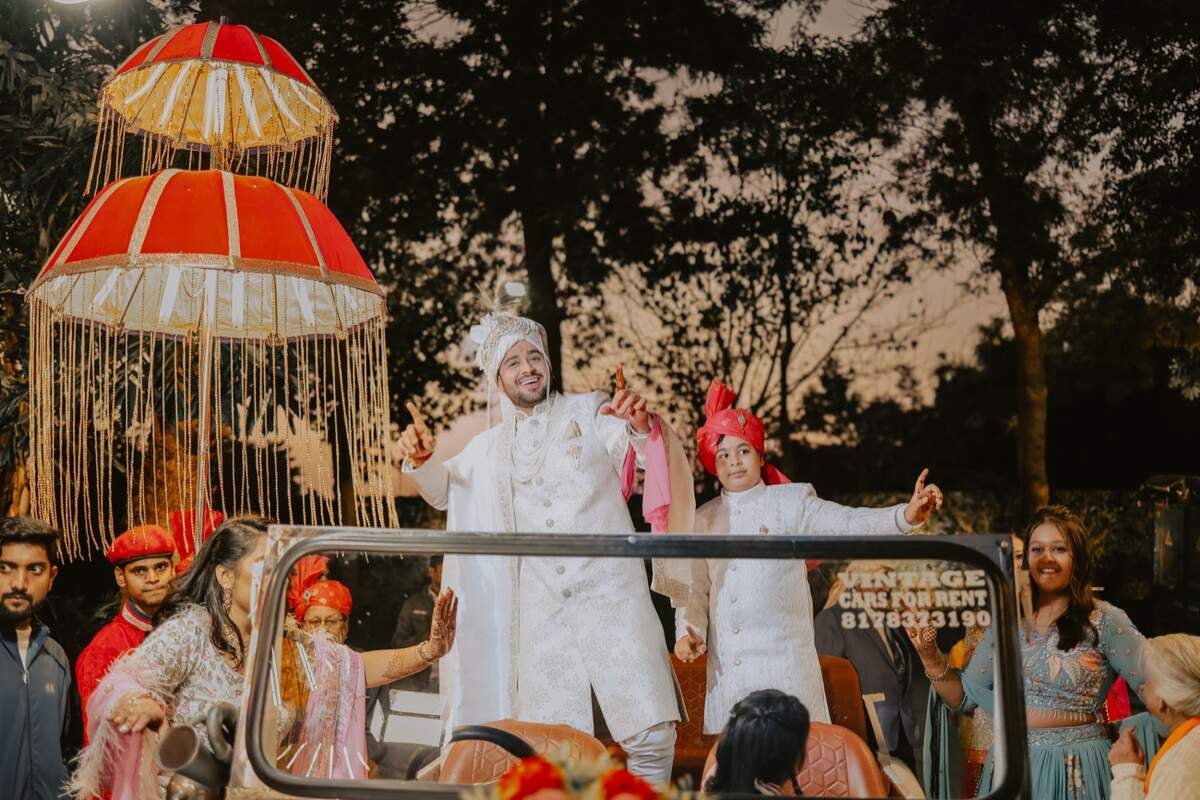
Wedding morning is consistently the most chaotic and the most photographically important part of the day. The getting-ready images — the details of the outfit being arranged, the emotion of the first seeing yourself in the mirror, the quiet moment with your mother — are some of the most treasured photographs in most wedding albums. Make the space available: clear the room of unnecessary items, have good natural light available if possible, and allocate one or two trusted people to help manage the flow of the morning.
The Night Before: Rest and Mindset
Sleep deprivation shows in photographs with a specificity that no amount of make-up can fully conceal. The eyes in particular — puffiness, reduced brightness, the faint translucency that comes with fatigue — all register clearly in high-resolution photography. We know that sleeping well the night before a wedding is easier to prescribe than to achieve. But it is worth prioritising. Set a firm lights-out time. Avoid alcohol the night before (which significantly disrupts sleep quality). Keep the sangeet early enough that adequate sleep remains possible.
On the Day: How to Be in Front of the Camera
Look at Your Partner, Not the Lens
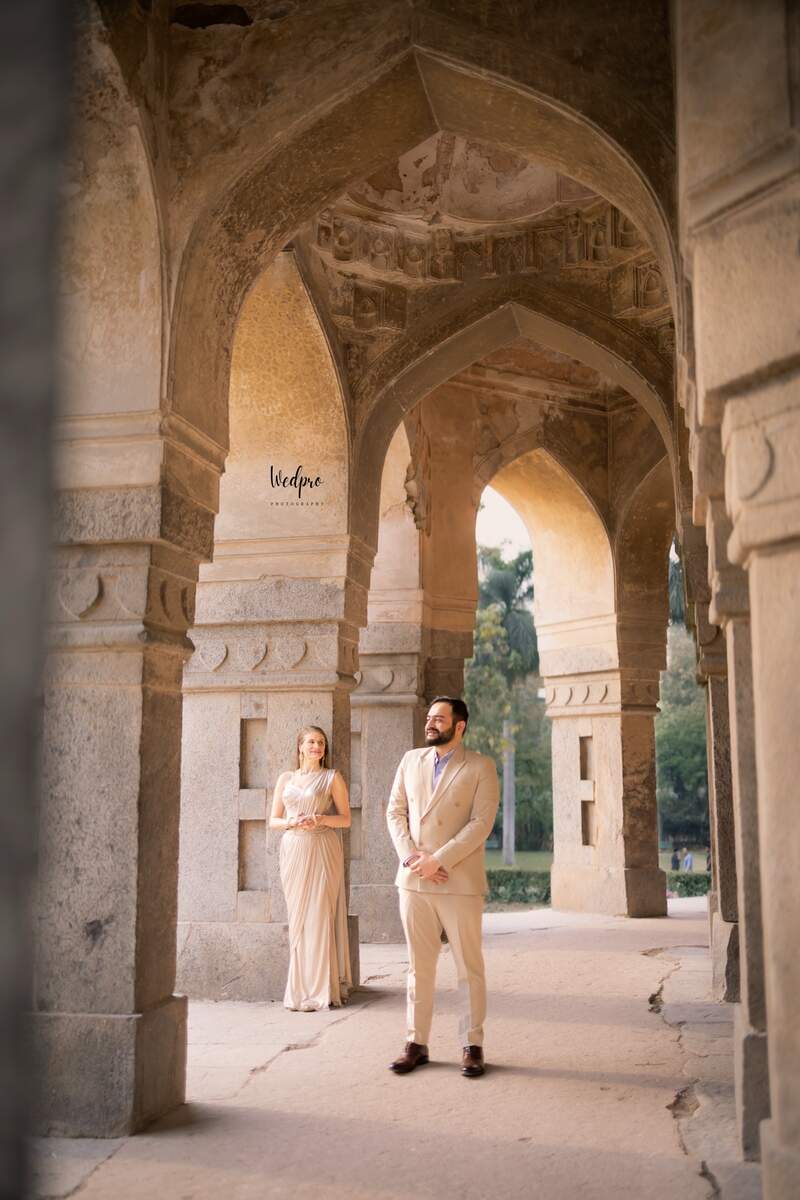
The most common mistake couples make when being photographed is looking at the camera rather than at each other. This is completely understandable — the camera is the visible object, so it draws the eye. But photographs of two people looking at each other are almost always more powerful than photographs of two people looking at the lens. When your photographer is working, direct your attention to your partner. Let the camera find you.
Move Slowly and Naturally
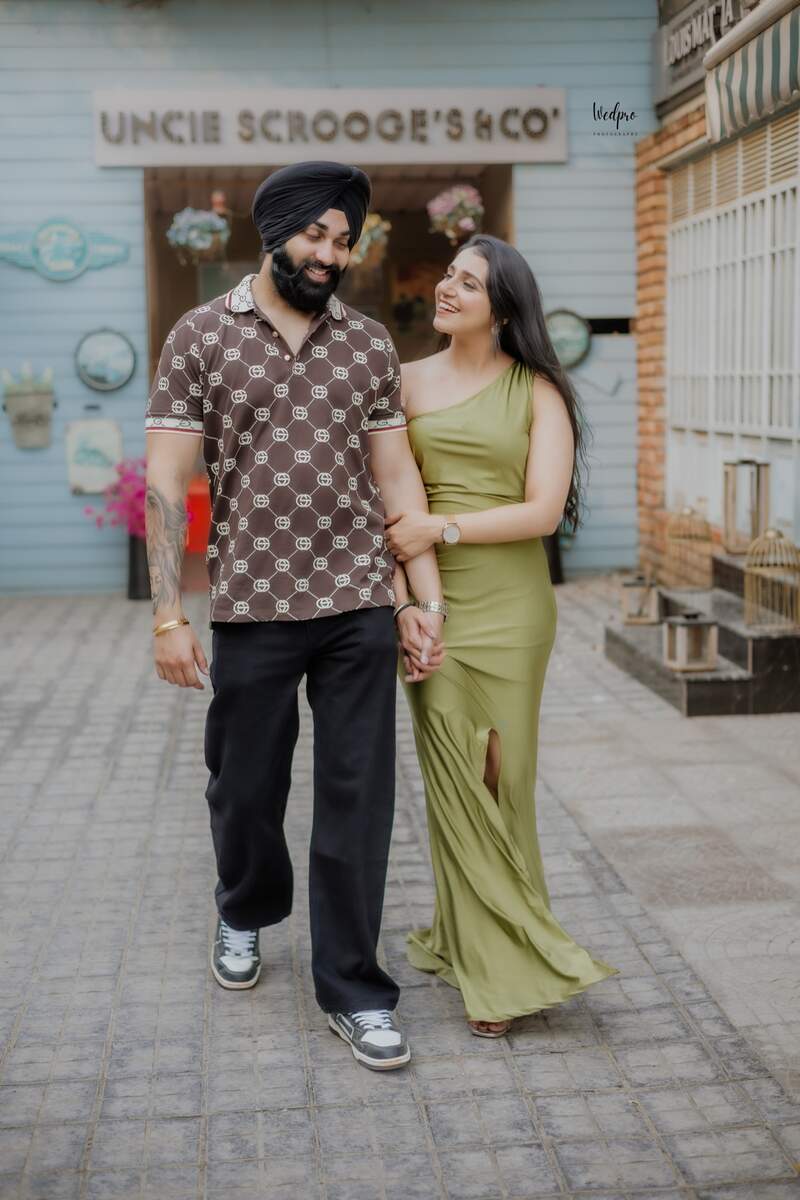
Camera-conscious people tend to move awkwardly and quickly — small, jerky gestures that look stiff in images. Slow your movements consciously. When you walk, walk at sixty percent of your normal pace. When you look away and back, do so slowly. When you hold hands, hold with real pressure rather than a light, camera-conscious clasp. Photographs are still, but they capture the energy of the moment before the shutter clicked. Stillness and intention read as ease and confidence.
Talk to Each Other
During couple portrait sessions, keep a conversation going with your partner. It doesn't need to be profound — it can be a shared joke, a memory from your courtship, your plans for the honeymoon. The act of conversation naturally produces genuine expressions, natural eye contact, and real laughter that no pose can replicate. Some of our most extraordinary portrait sessions have involved couples so absorbed in conversation that they forgot we were there entirely.
Preparing Your Getting-Ready Space
The getting-ready sequence — the bridal preparation, the moment of seeing the complete look in the mirror for the first time, the detail shots of jewellery and outfit — is consistently among the most treasured sections of a wedding gallery. Yet it is also the section most often compromised by preventable issues with the environment. The ideal getting-ready space has large windows with natural light on at least one side, a clean uncluttered background that can serve as a backdrop for portraits, enough space for the bride, her makeup artist, and two photographers to work without collision, and access to the outfit and jewellery laid out in an accessible, visually attractive arrangement.
If you are getting ready in a hotel room, request the most naturally lit room available — ideally one with large east or south-facing windows for morning preparation. Clear the room of unnecessary items: the makeup artist's bags, the extra clothing, the room service tray from breakfast. Ask your decorating family members to hold off on bringing in celebration items until after the key preparation photography is done. These small preparations make an enormous difference to the quality of what can be captured in that first hour.
The Detail Shots: What to Have Ready
Bridal detail shots — the invitation, the jewellery, the shoes, the outfit, the bouquet, meaningful objects — are an important section of every wedding gallery and they require a specific kind of preparation. Have these items laid out and accessible before the photographer arrives. A flat lay of the jewellery pieces arranged on the invitation suite on a clean white surface takes ten minutes to prepare and produces consistently beautiful images. The bouquet in natural light near a window takes two minutes to photograph well. The shoes arranged alongside the outfit on the bed takes three minutes. These shots are quick and easy when the items are ready; they become impossible to execute well when everything is scattered around a chaotic room at the wrong time.
The One Thing Everyone Forgets
After twelve years and more than 200 weddings, we know what it is without exception: eat. Couples consistently forget to eat on their wedding day. In the chaos of preparation and ceremony and socialising, hours pass without food, blood sugar drops, energy flags, and the face in photographs develops a certain flatness and strain that no amount of makeup or editing can fully conceal. Assign someone — a sibling, a close family friend — the specific job of ensuring you eat something at each meal point of the day. This single practical act will do more for the quality of your wedding photographs than any other preparation on this entire list. Our complete wedding photography checklist covers all of these preparation details in the sequence they should be addressed. Read our FAQ for answers to the most common questions we receive about wedding day preparation, and contact us to begin the preparation process with WedPro directly.

WedPro Photography
Delhi's leading wedding photographers — crafting visual legacies since 2012.